This article gives a systematic overview of Porsche Design watches, including the brand's beginning, core design philosophy, traditional series, and representative products, balancing historical significance using current popular styles.
Brand Birth as well as Milestones
In 1972, Ferdinand Alexander Porsche, originator of the Porsche 911, launched Porsche Design. That similar year, he launched typically the Chronograph 1-the world's initial black PVD-coated stainless steel see. Its matte black face, high-contrast markers, and reddish colored chronograph seconds hand were being all inspired by the 911's cockpit instrument panel, building a design foundation of " function first, minimalist love. "
Within the early years, Porsche Design collaborated with Orfina, IWC, and ETERNA. In 2015, it established its own the making of watch factory in Solothurn, Arosa, switzerland. In 2017, it became a completely owned subsidiary of Porsche, achieving full control covering the entire chain from layout to manufacturing.
Material Innovation: Titanium watches were first presented in 1980; today, ti alloys, ceramics, and graphite are commonly used, balancing light and portable and durability;
Automotive Ideas: The crown/button layout personal references racing car controls, often the rotor can be customized having 911 wheel designs, and also the color scheme echoes typical Porsche paint;
Function Priority: No unneeded decoration; chronograph, UTC entire world time, diving, and other characteristics directly serve the designed use.
Classic Series and Representative Products
Chronograph 1 (Legendary Original Line)
A replica of the 1972 type, retaining the all-black PVD coating, three-dial chronograph, and also red seconds hand; numerous commemorative editions have been extracted, such as the Chronograph 1 , 75 Years of Porsche Edition and the 1975 Limited Edition, making it a top choice intended for vintage car enthusiasts.
1919 Collection (Minimalist Modern Line, named throughout homage to Porsche's starting up year 1919)
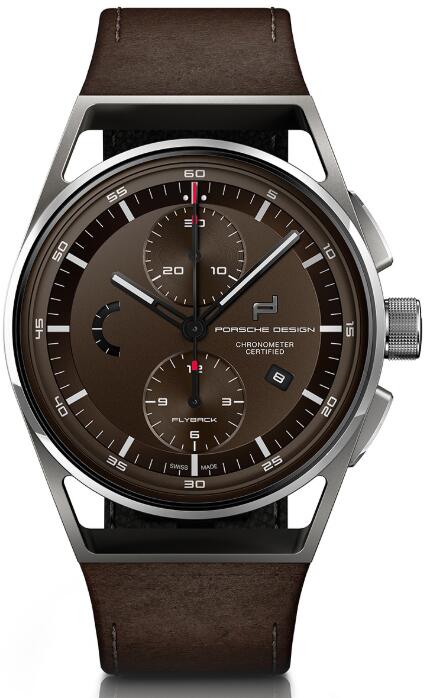
Includes the Chronotimer (flyback chronograph), Datetimer Eternity (simple date), and Globetimer UTC (dual time zone/world time); features signature skeletonized lugs and a sleek case, ideal for daily commutes and organization use. The 1919 Globetimer UTC supports one-button transitioning between multiple time zones, as well as the rotor can be customized along with 911 wheel designs.
Chronotimer Series (Motorsport Line)
Designed tailored for track use, equipped with on location COSC-certified movements such as the WERK 01. 100. Some designs use an integrated rocker-style time counter switch instead of traditional keys for easier operation; like the Chronotimer 911 GT3, with a color scheme responsive the 911 GT3's first interior, is available in limited levels to car owners.
Custom-Built Timepieces: The standard online configurator allows choices of dial color, side style, case material (titanium/ceramic), strap (leather/rubber/metal), and one pattern (PD logo or 911 wheel). Personalized decoration is also supported to meet distinctive Porsche Design needs.
Monobloc Actuator (Diving/Hardcore Tool Series): Features a unibody case, unidirectional rotating frame, and high water resistance (up to 1000 meters), well suited for professional diving and out-of-doors adventures. Dial colors incorporate black, blue, and discolored, offering high recognizability.
Summary: Porsche Design watches are not merely " car logo watches, " but rather technical products in which extend F. A. Porsche's " form follows function" philosophy from racing autos to the wrist. Whether it's the actual retro Chronograph 1, really fun 1919 series, or the track-oriented Chronotimer, they all combine recognizability, durability, and functionality, which makes them excellent choices for car fans and tool watch hobbyists.
I can allow you to compile a comparison table involving popular Porsche Design versions (including price, size, activity, water resistance, and materials) to generate your selection easier. Do you require it?
 Country & Western - Forum
 Thema drucken
 12.03.2026 10:20 (zuletzt bearbeitet: 12.03.2026 10:21)


 Antworten
